Café Plaza

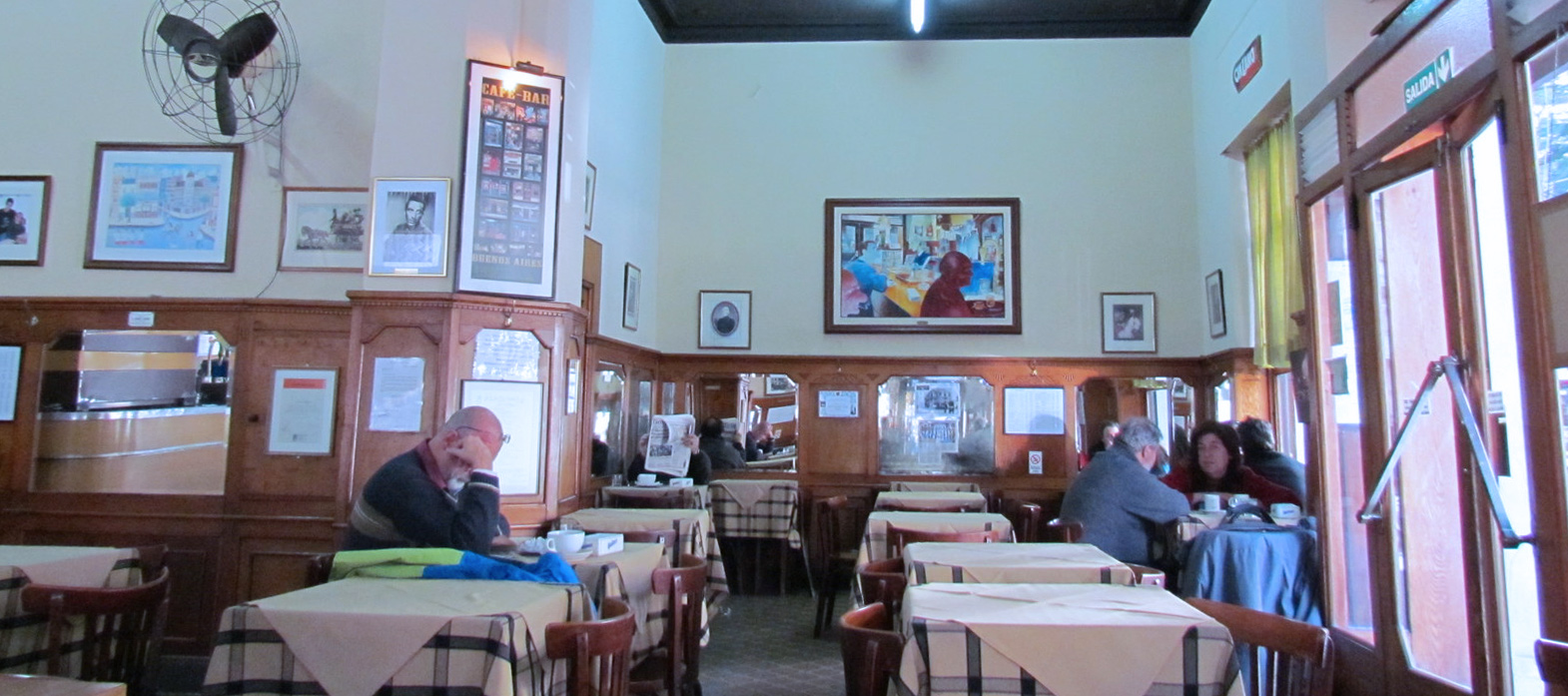
Making the most of the last opportunity to ride on the classic wooden wagons of Line A in January, we headed up to Caballito to take in a Notable Bar or two. After visiting Cafe Plaza, I almost wished we hadn’t bothered. Apart from a small sticker on the front window I could see nothing Notable about it at all. The decor and menu was identical to a hundred other street corner establishments in the city, even the waiter couldn’t really tell us why it is classified as Notable. If I’m in the area again I may give it another chance and hopefully find out some about it, but until then it’s simply ticked off the list.

Cafe Plaza

Cafe Plaza, not very notable

Cafe Plaza: Av Rivadavia 4732
Subte: Line A, Rio De Janeiro

This page is part of a series examining the Notable Bars of Buenos Aires.

Bar Palacio / Museo Fotográfico Simik

Buenos Aires certainly is a city full of surprises. I visited the Bar Palacio in Chacarita on a grey August Saturday afternoon, with no real expectations other than to find an old, classic atmospheric Bar Notable. On one hand I did find that, although not really exceptional in any way, however the real find of the day was the museum which the bar houses.

Museo Simik, Bar Palacio, Chacarita

Museo Simik, Bar Palacio, Chacarita


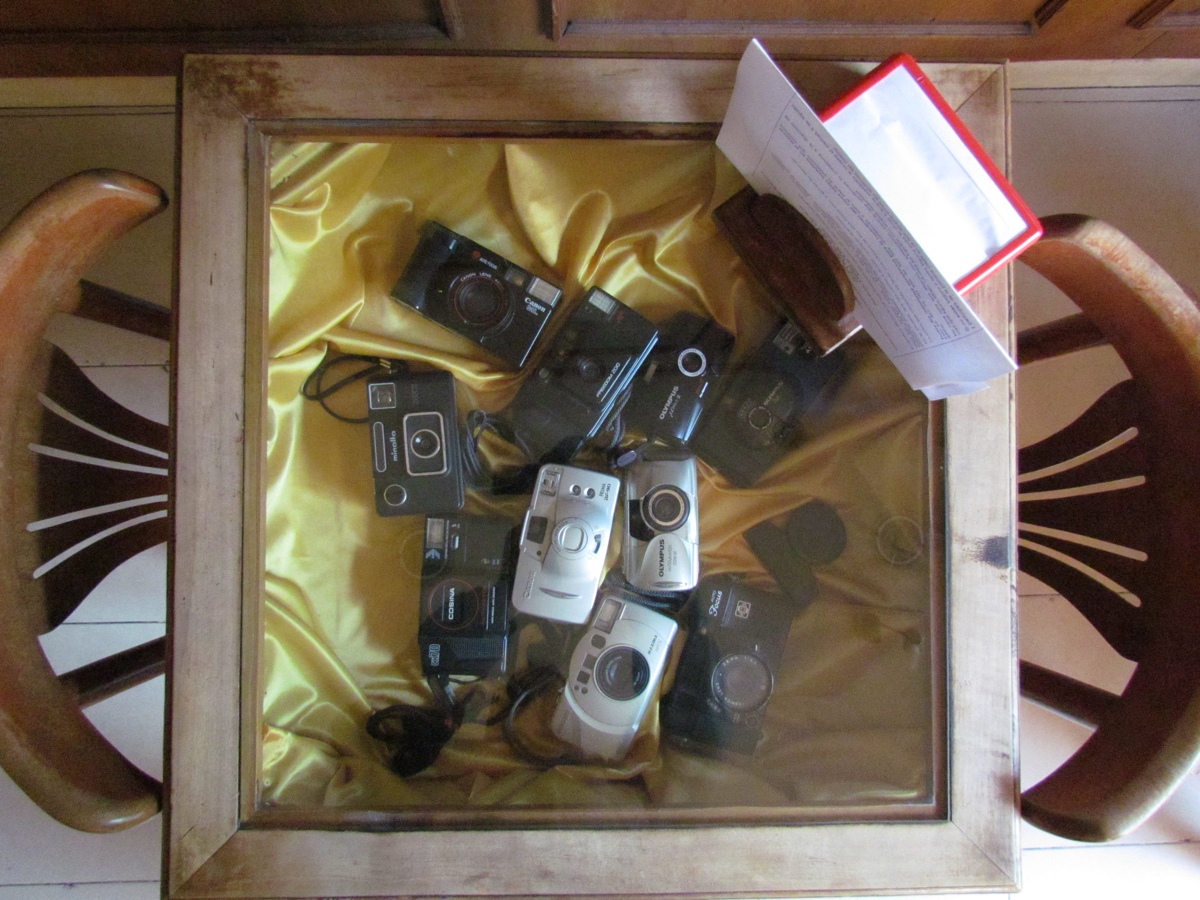
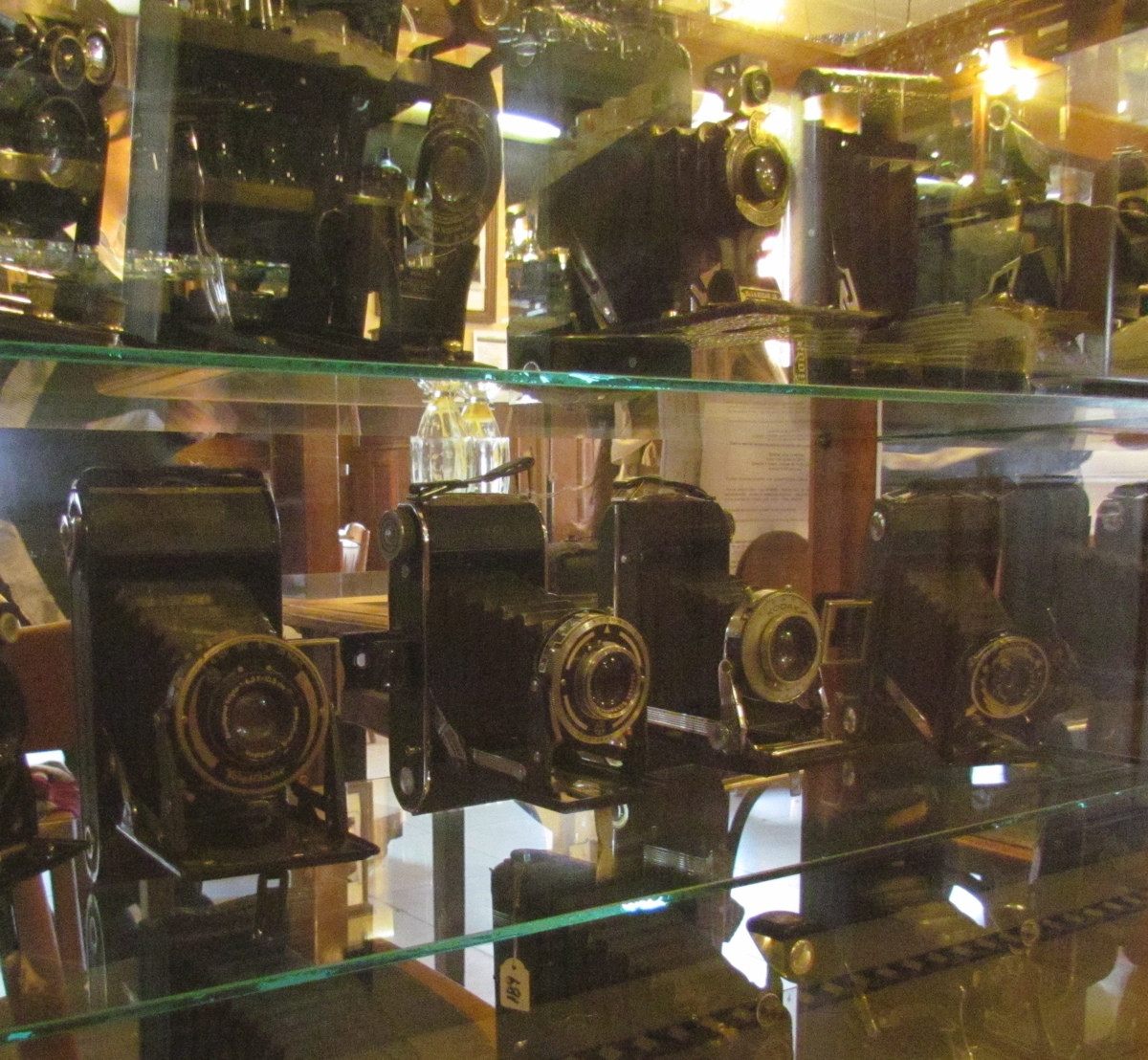
The bar itself has been open 40 years, and the owner, a Mr Simik, began displaying his collection of over 2,000 cameras, some dating from the 1870s in 2002 and the Museo Fotografico Simik was born.
Museo Simik, Bar Palacio, Chacarita

Museo Simik, Bar Palacio, Chacarita


It’s a little cramped in places, as it’s packed with cabinets displaying photographic equipment. The tables are glass-topped and each one contains its own mini-collection of cameras. Downstairs the bar has a darkroom which is open to the public and it runs a series of classes on a variety of photo-related topics.
Museo Simik, Bar Palacio, Chacarita

Museo Simik, Bar Palacio, Chacarita


It clearly has an active community dedicated to the world of photography. Whilst I was there groups of people were sat at tables with their own cameras, animatedly discussing their latest attempts at capturing that elusive shot and outside the bar, stood a couple working with a old-style SLR and a light meter. From a cafe point of view, there is very little to distinguish or recommend Bar Palacio, but the camera collection and its obvious dedication to furthering the art of photography makes it worth a visit.

Bar Palacio / Museo Fotografico Simik: Av. Federico Lacroze 3901
Subte: Line B, Federico Lacroza

This page is part of a series examining the Notable Bars of Buenos Aires.

Bar Carlitos

In a few of the bars I’ve been to, I get talking to a waiter about the history of the place and after a while they disappear and come back with a map produced by the city, listing and showing the location of the Notable Bars of the city. Following the list of the 72, there is a list of 12 Notable Bars that have closed their doors, including the Cafe Richmond on Florida which was closed overnight in 2011 after 98 years in business. There was talk at the time of it being converted into a Nike store, but at the moment it’s is still sitting there, boarded up and covered with graffiti.

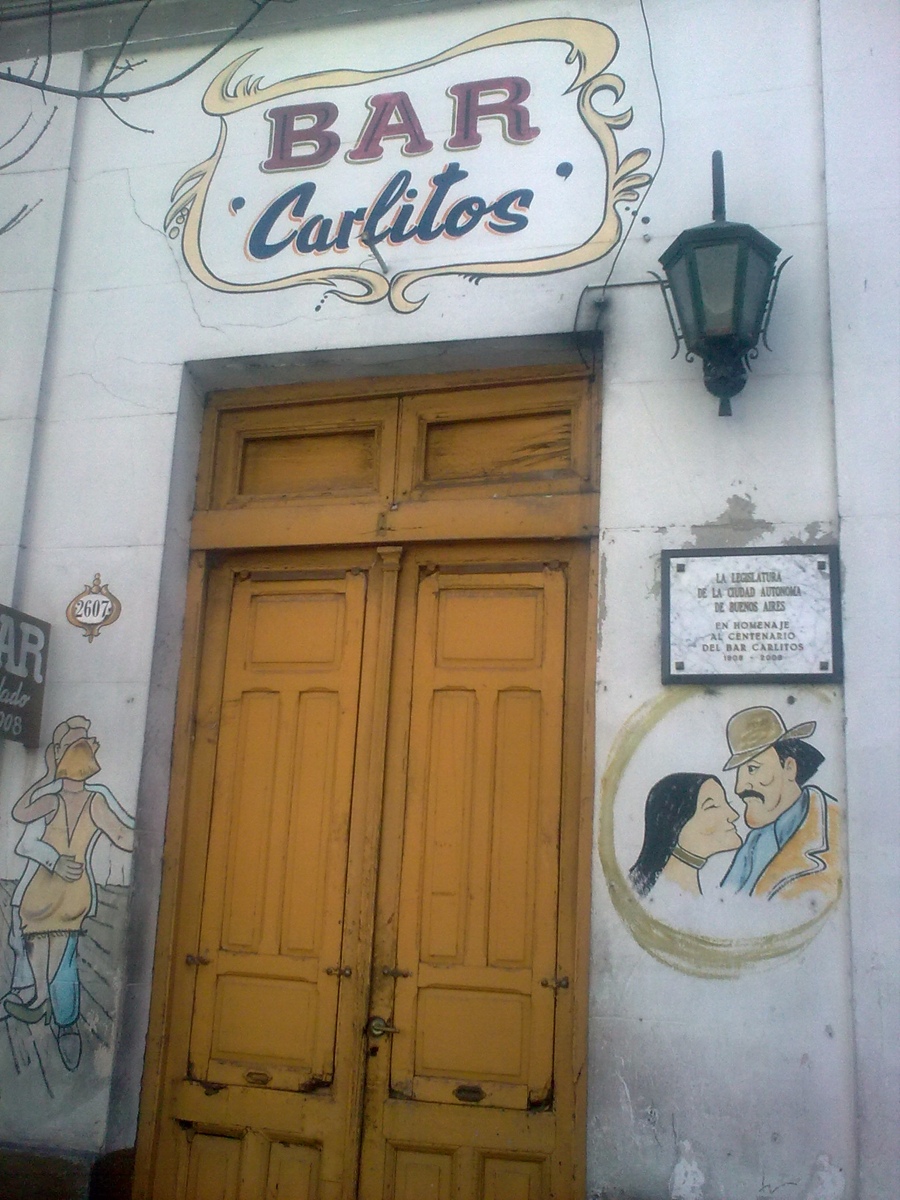
Bar Carlitos, San Cristóbal

Bar Carlitos, San Cristóbal


Unfortunately it seems that there is another casualty to add to the list, Bar Carlitos in San Cristóbal. I tried to visit it at 3pm on a Tuesday afternoon, and finding it closed made a note to come back another time, maybe in the evening when it was more likely to be open. Unfortunately, a little digging around unearthed the information that the bar closed in 2011 and due to financial problems will not be reopening. (I found the email of the owner on another post and he confirmed this to me).
Bar Carlitos, San Cristóbal

Bar Carlitos, San Cristóbal


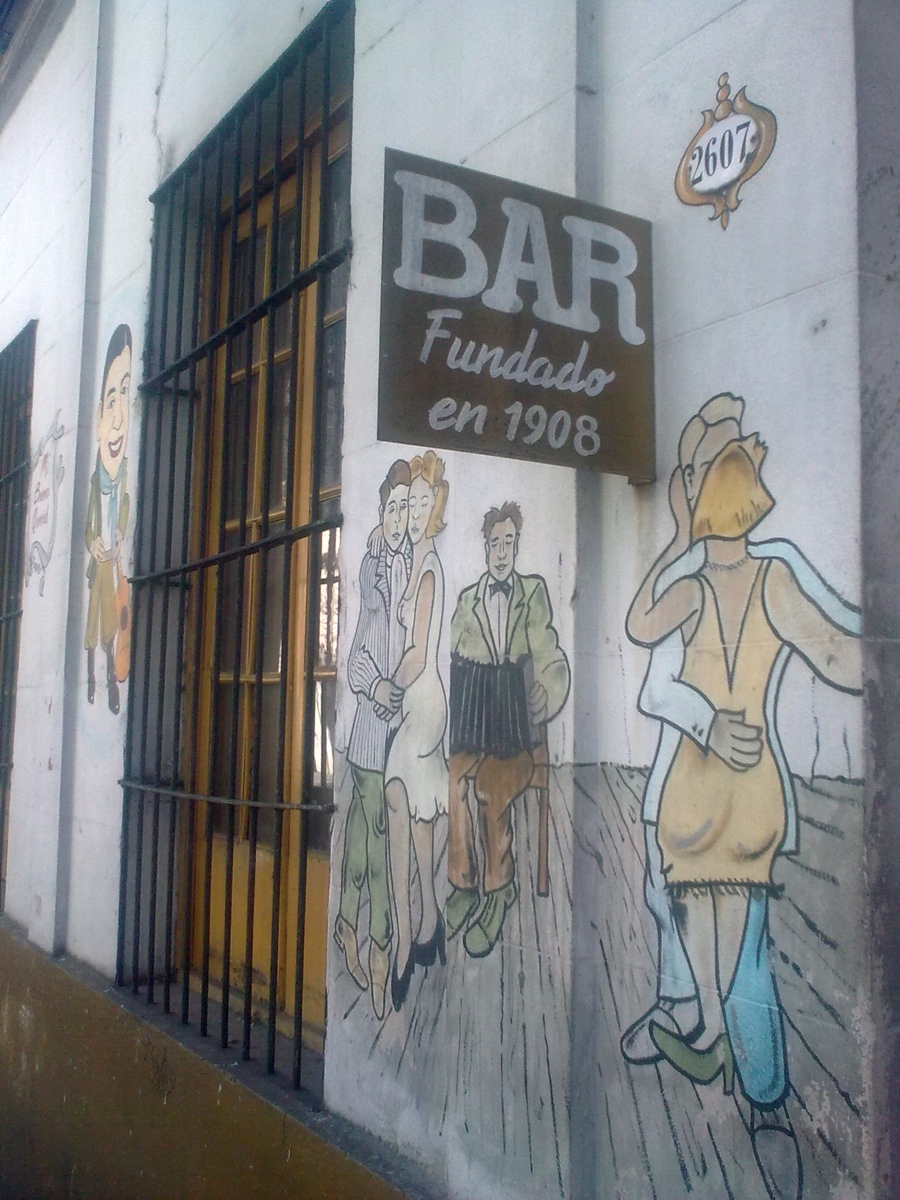
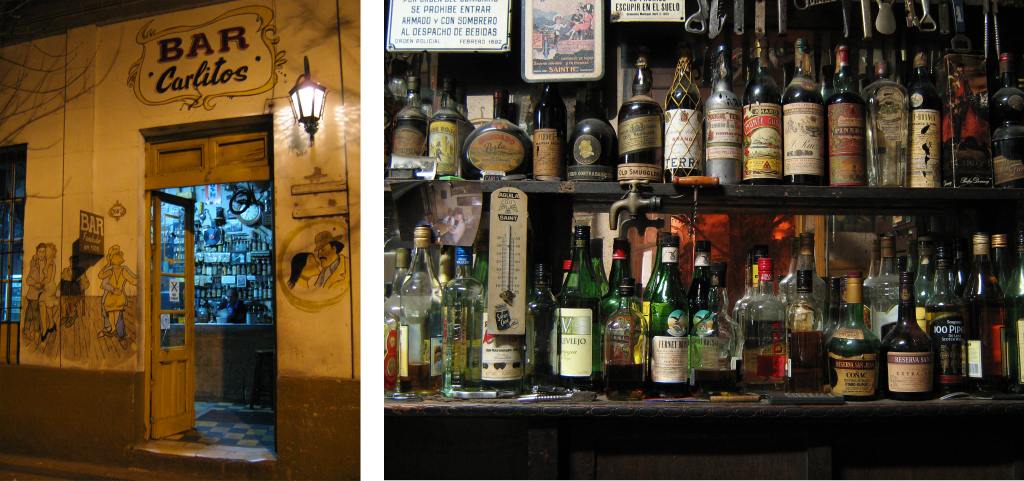
So, it seems that another part of Buenos Aires history is gone forever. Opened in 1908, Carlitos (named in the 30s for Carlos Gardel, a hero to the then owner) may not have the high-profile coverage that the closing of Cafe Richmond got, but it strikes me that the closure of any of these bars is a loss to the collective memory of the city, particularly one that had been open for over 100 years.
Bar Carlitos, San Cristóbal

Bar Carlitos, San Cristóbal – Archive photo of the bar


It raises the question what being given Notable status actually means for the bar. In the case of the Richmond it didn’t protect it against (presumed) property development and ultimately, the status was unable to help Carlitos, or the others on the Closed list either. The exterior for the moment is unchanged and is still decorated with tango images and caricatures of Carlos Gardel, so if you’re in the area pass by and take a look, but surely that too will soon be gone forever.

Bar Carlitos: Carlos Calvo 2607

This page is part of a series examining the Notable Bars of Buenos Aires.

Bar de Cao

If you believe the guide books, Buenos Aires may well be the Paris of the South, but Avenida Independencia in San Cristóbal sure ain’t the Champs Elysées. Walking down on it on a sunny, but cold July afternoon is a bleak experience. Not much seems open, there are very few people on the streets and those that you do see are scurrying, heads down, with other places to be.

Bar de Cao, Buenos Aires

Bar de Cao, Buenos Aires


Bar de Cao provides relief from the bitter wind and, once inside, the sun streaming through the windows combined with the warm wood and smell of cafe soon make me forget the cold outside.
Bar de Cao, Buenos Aires

Bar de Cao, Buenos Aires


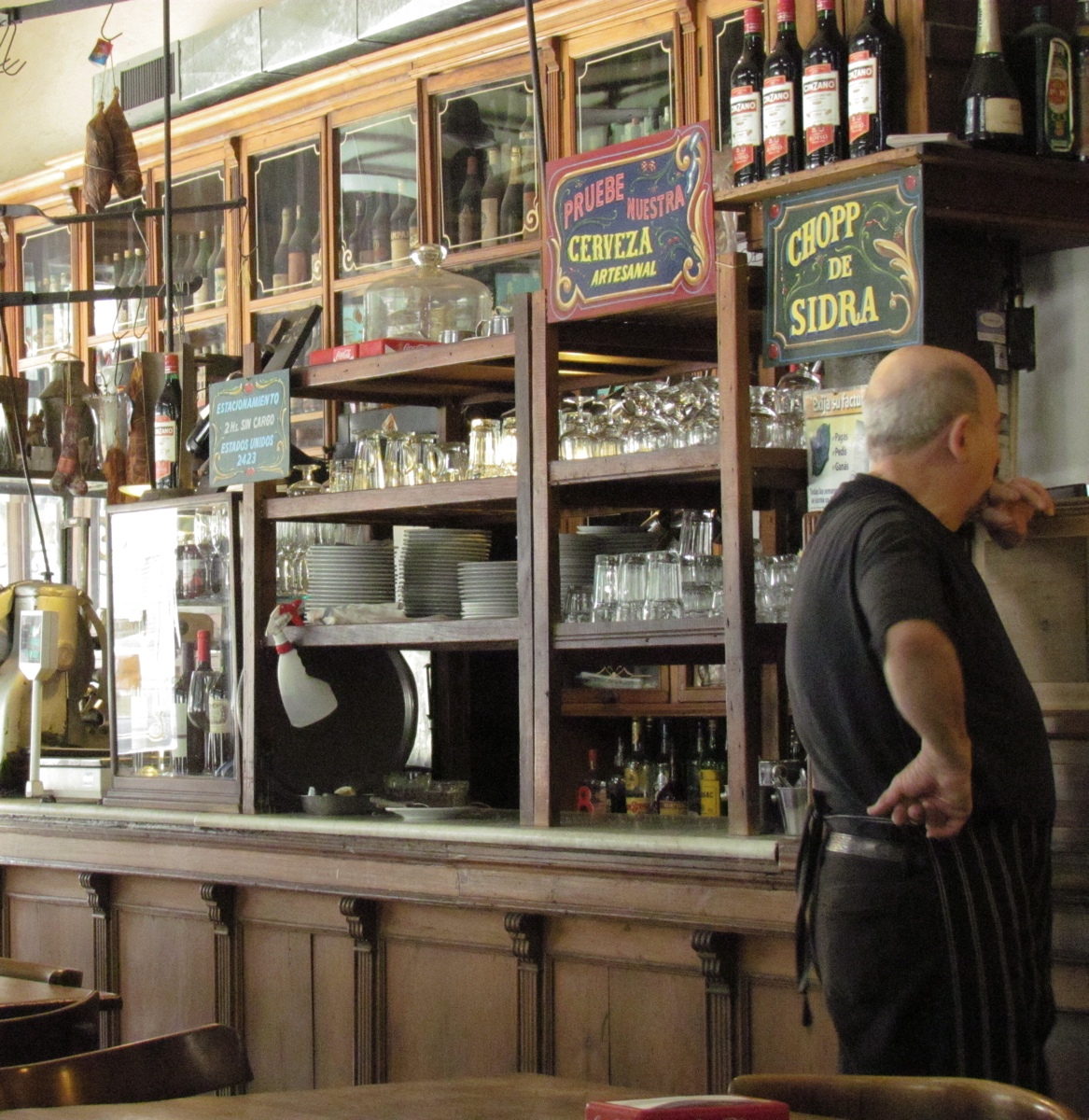
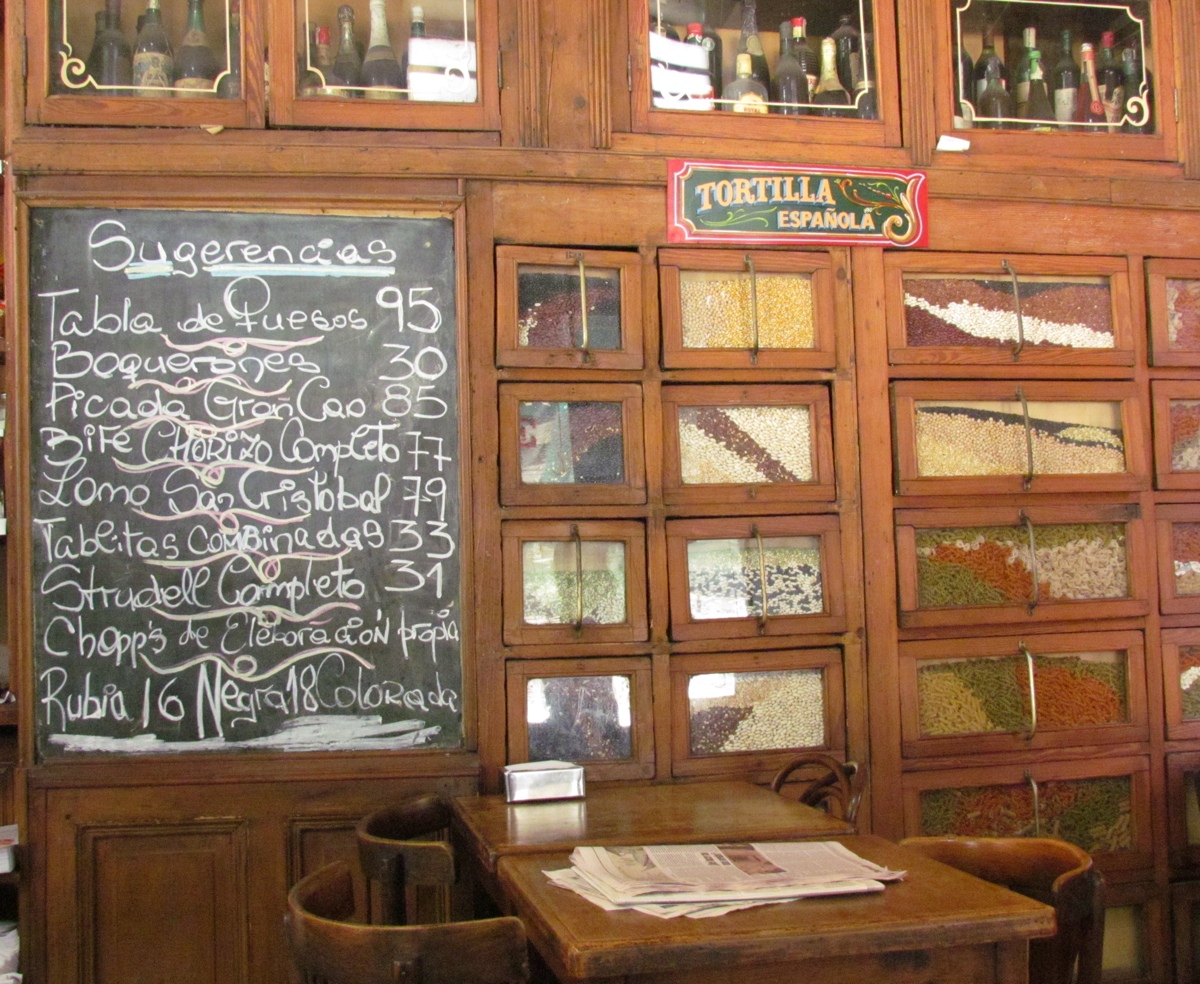
Opened in 1915 and named for its founders, Spanish immigrants the brothers Cao, their bar doesn’t feel like it’s changed much in the last 10 decades. Fitted out with the original bar and spice cabinets (which are purely for show) from the 1950s, Bar de Cao has a relaxed feel, the sort of place you could sit and read your paper in peace surrounded by your neighbours all doing the same.
Bar de Cao, Buenos Aires

Bar de Cao, Buenos Aires


Interestingly, given its location well away from the tourist trail, prices here don’t seem much less than in bars in the centre (10 pesos for a coffee, compared to 12 in a more central bar), but I like the overall feel which is similar to Bar El Federal and La Poesia in San Telmo. The menu is the usual standard fare of most Porteño bars, but the decoration and barrio feel of the makes it worth a trip.
Bar de Cao, Buenos Aires

Bar de Cao, Buenos Aires

Bar de Cao: Avenida Independencia 2400
Subte: Venezuela, Line H

This page is part of a series examining the Notable Bars of Buenos Aires.

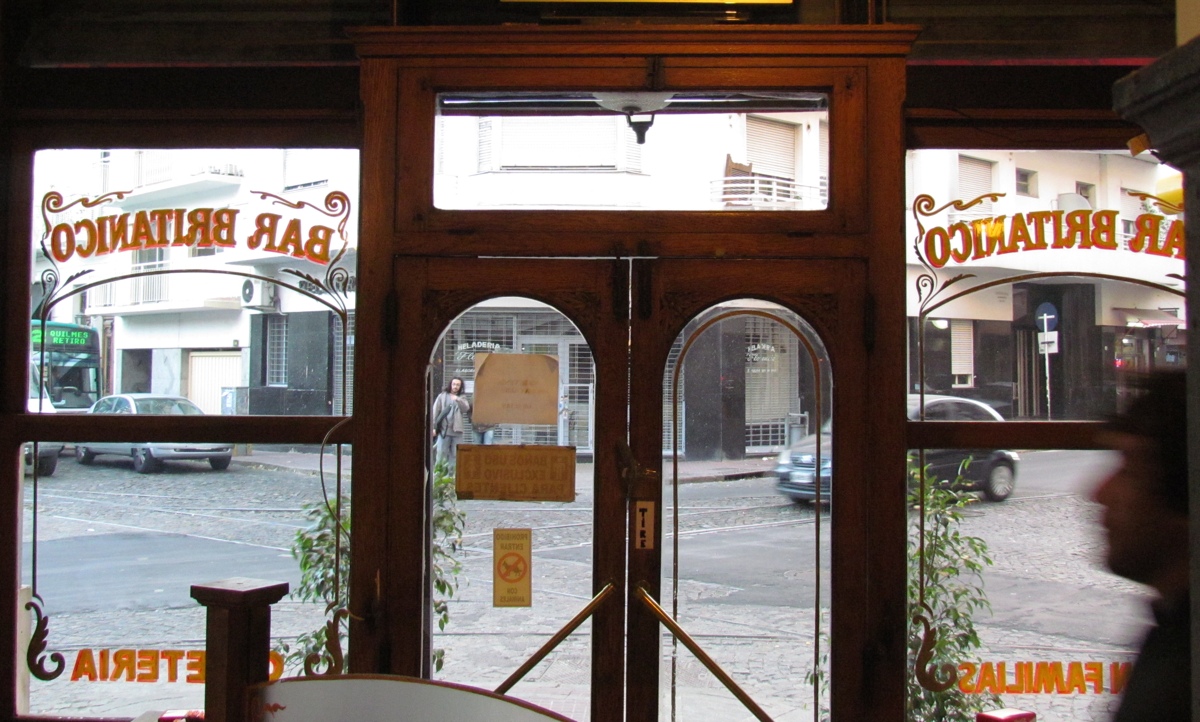
Bar Británico

Right across the street from El Hipopótamo is another San Telmo institution, the Bar Británico. Named for the nationality of its patrons, rather than the owner (who was Spanish) it has sat on the corner of Defensa and Brasil since 1928. Originally a corner store, the locals (who were mainly British railway workers and First World War veterans) would buy coffee and food and then hang around to drink and eat it, converting it from shop to cafe.

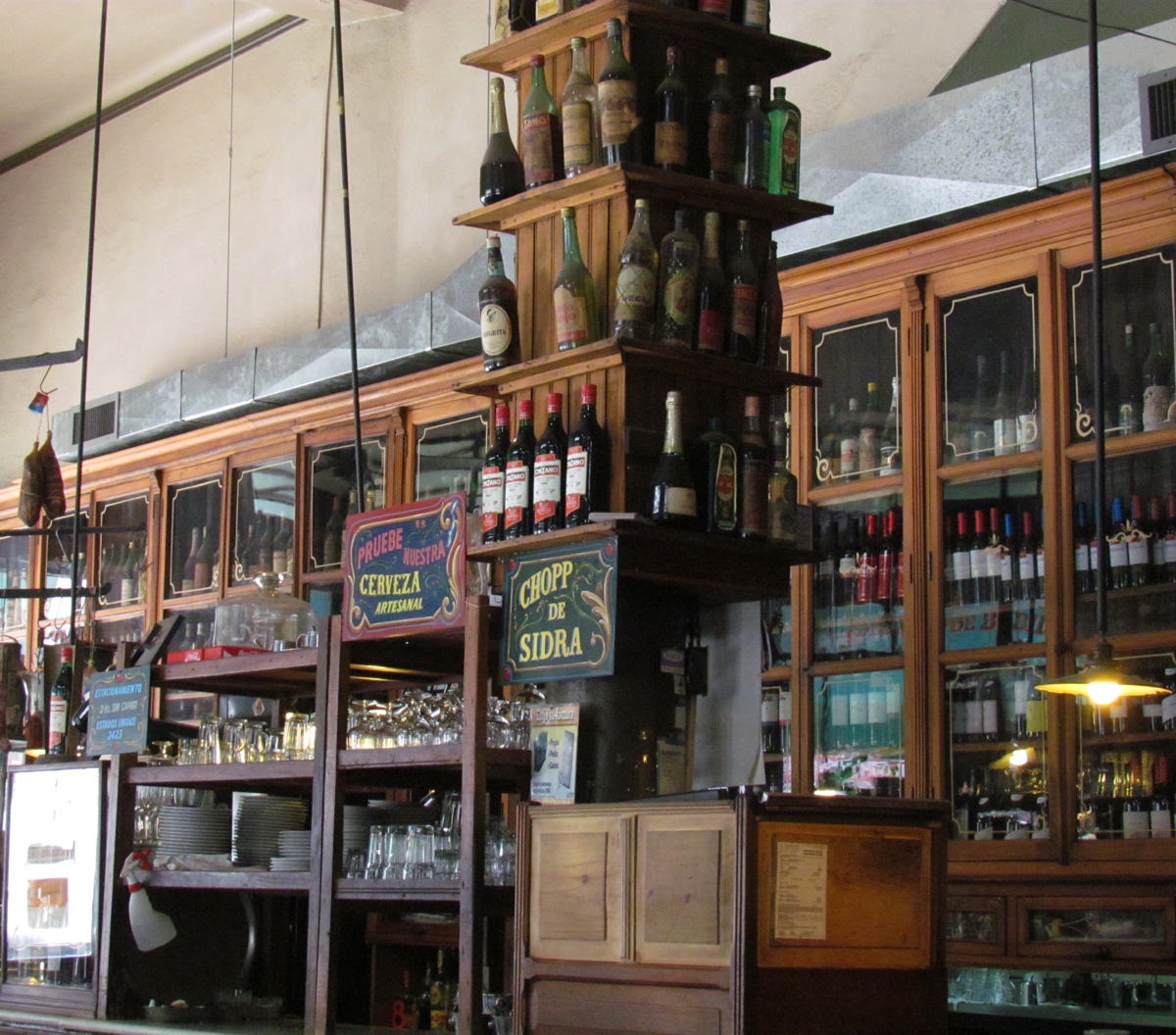
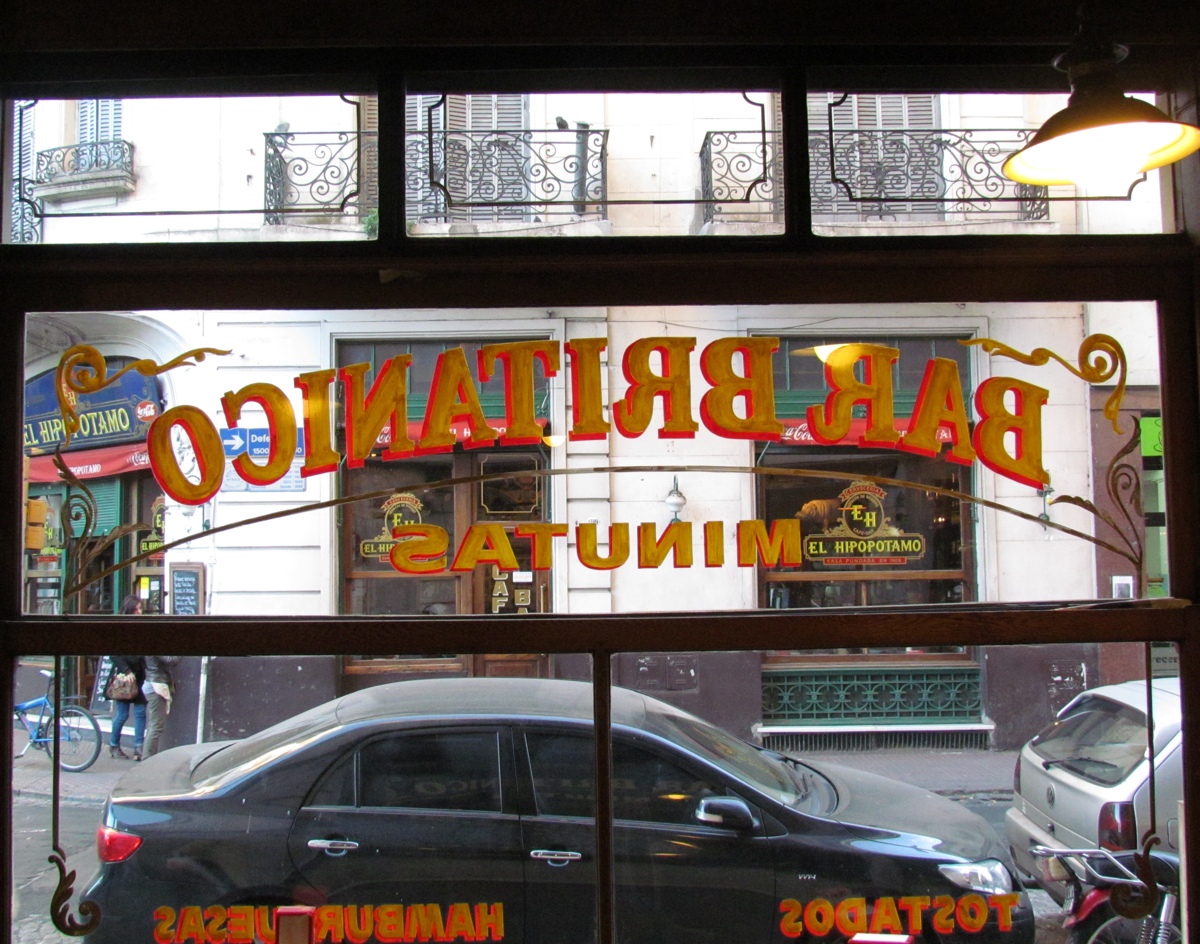
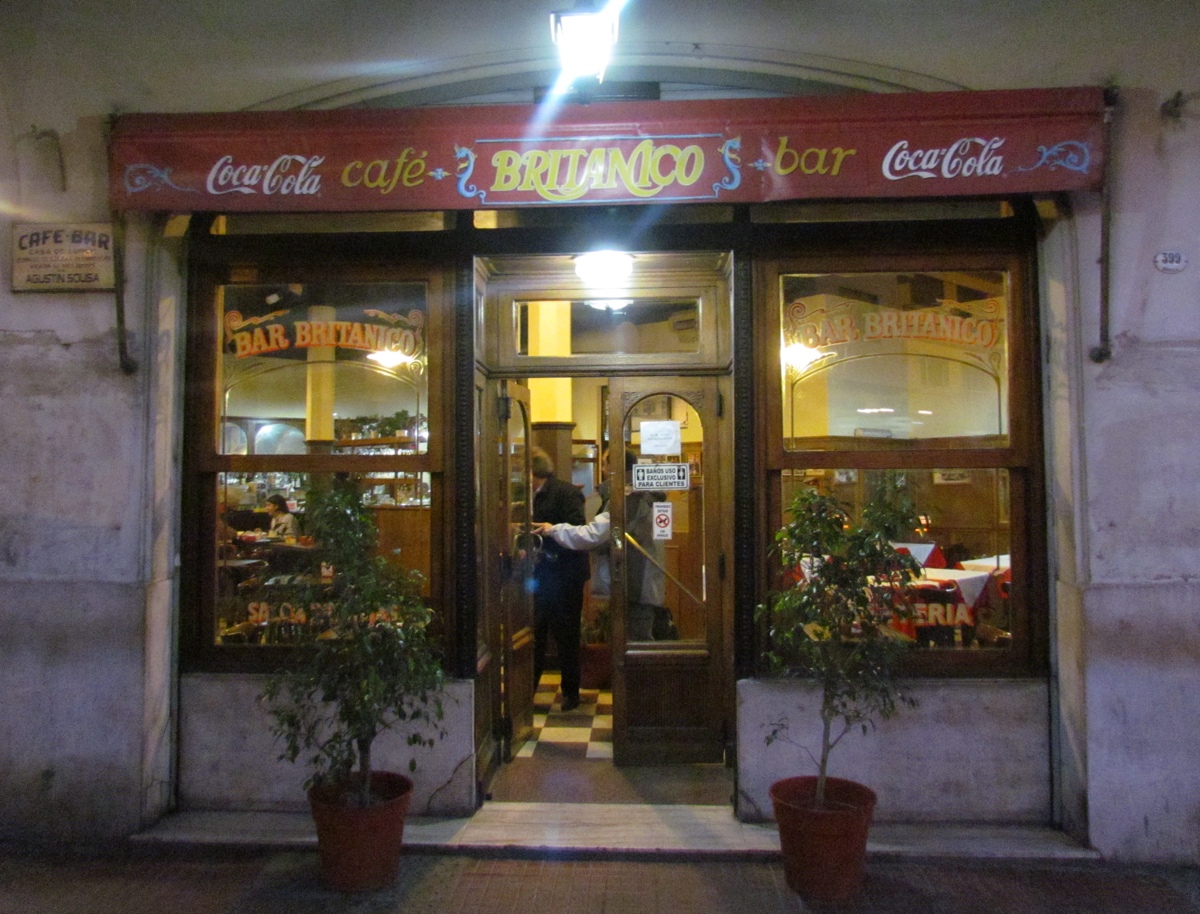
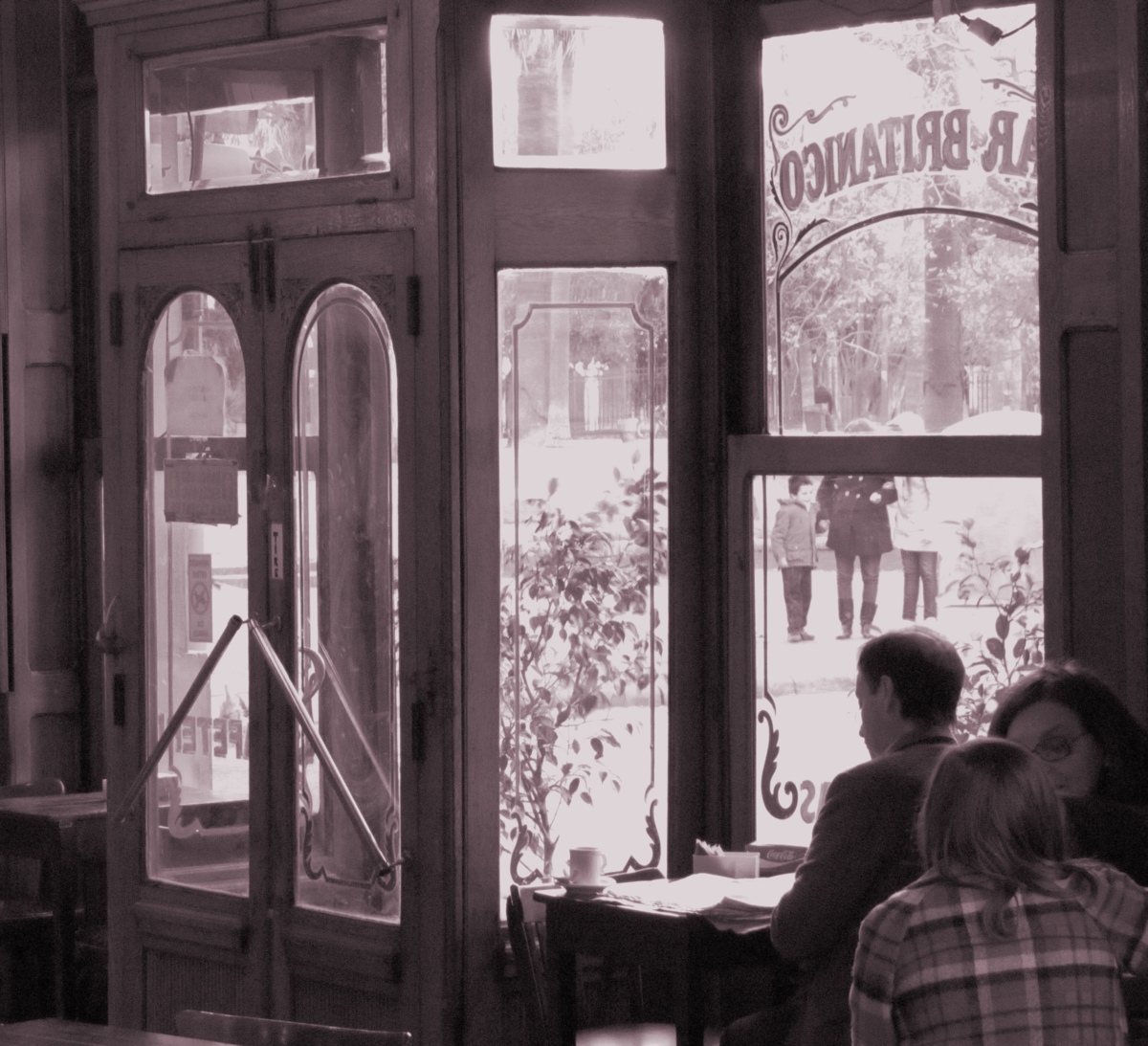
Bar Britanico, San Telmo

Bar Britanico, San Telmo. Note El Hipopótamo across the street.


Run by a trio of Gallegos (Spaniards from Galicia) from 1960 until 2006, El Británico gained a reputation as a friendly and atmospheric hangout in San Telmo, open 24 hours a day. As no Notable Bar is complete without a literary connection it is said that Ernesto Sabato wrote part of his novel ‘Sobre Héroes y Tumbas’ at the window seat.
Bar Britanico, San Telmo

Bar Britanico, San Telmo


In 1982, faced with a wave of anti-British sentiment, the owners covered the first 3 letters of the bar’s name to avoid controversy and the “Bar Tánico” survived intact until a few years later when it was safe to uncover the unpopular Bri once again.
Bar Britanico, San Telmo

Bar Britanico, San Telmo


It underwent refurbishment in 2006, following the death of the last of the 3 owners and reopened in 2007 under new management. As far as possible all the original fixtures have been kept intact but some say that El Británico has lost its character.
Bar Britanico, San Telmo

Bar Britanico, San Telmo


On the day I visited I found it to have little less warmth than El Hipopótamo across the street, it’s smaller and brighter which may mean, that on a late winter’s afternoon it lacks a homeliness that can be found opposite. However I love the fact that it has by and large kept its character, down to the squat toilet in the gents nestling next to a more modern convenience. Due to their location it’s hard not to want to pick a favourite and ultimately, of the two I think El Británico is my favourite although it’s a close-run thing. Of course, the name clinches it.

Bar Británico: Brasil 399
Colectivos: 62, 29, 22

This page is part of a series examining the Notable Bars of Buenos Aires.

36 Billares

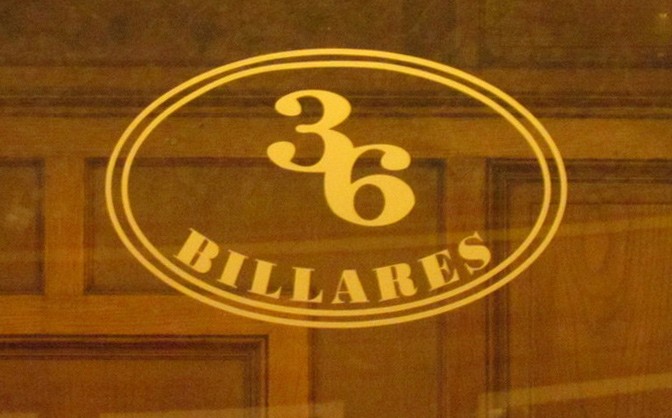
36 Billares WindowLooking at it from ground level, you could be mistaken for thinking that 36 Billares is just a cafe. An old-style, historic cafe which doesn’t look as though it has changed much in the last few decades, but just a cafe nonetheless. However, 36 Billares has an underground other half, one which is pretty much given away by the name, as the downstairs was home to the first billiard hall in Buenos Aires (opening in 1894), and is still going strong to this day. The upstairs area is an atmospheric cafe with plenty of dark wood on the walls, old clocks and billiard photographs. A small stage area is set up on the left-hand side, reserved for tango shows. It has a charm to it, past its hey-day yet still retaining charm and character.
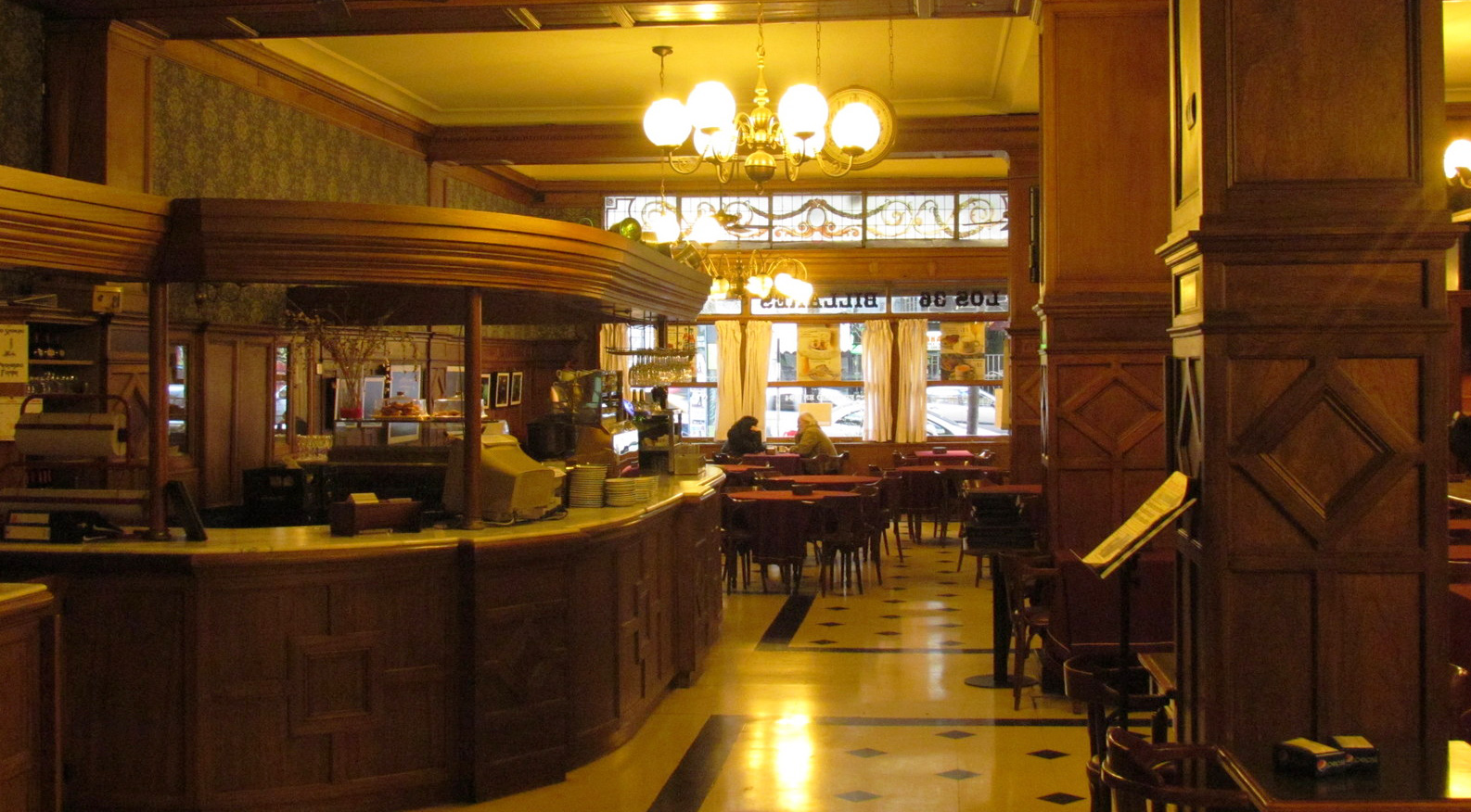
36 Billares Upstairs

36 Billares Ground Floor Bar Area


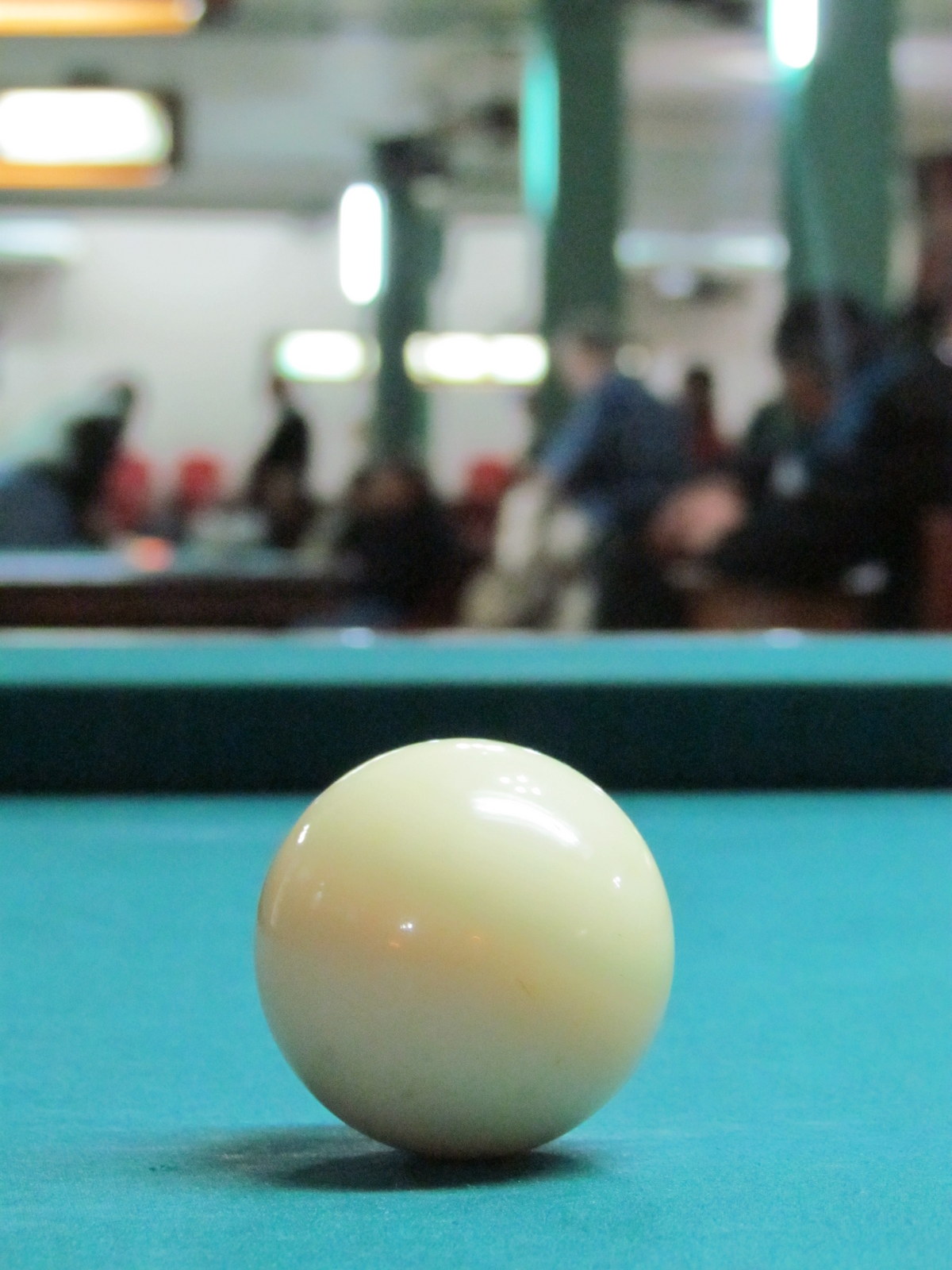
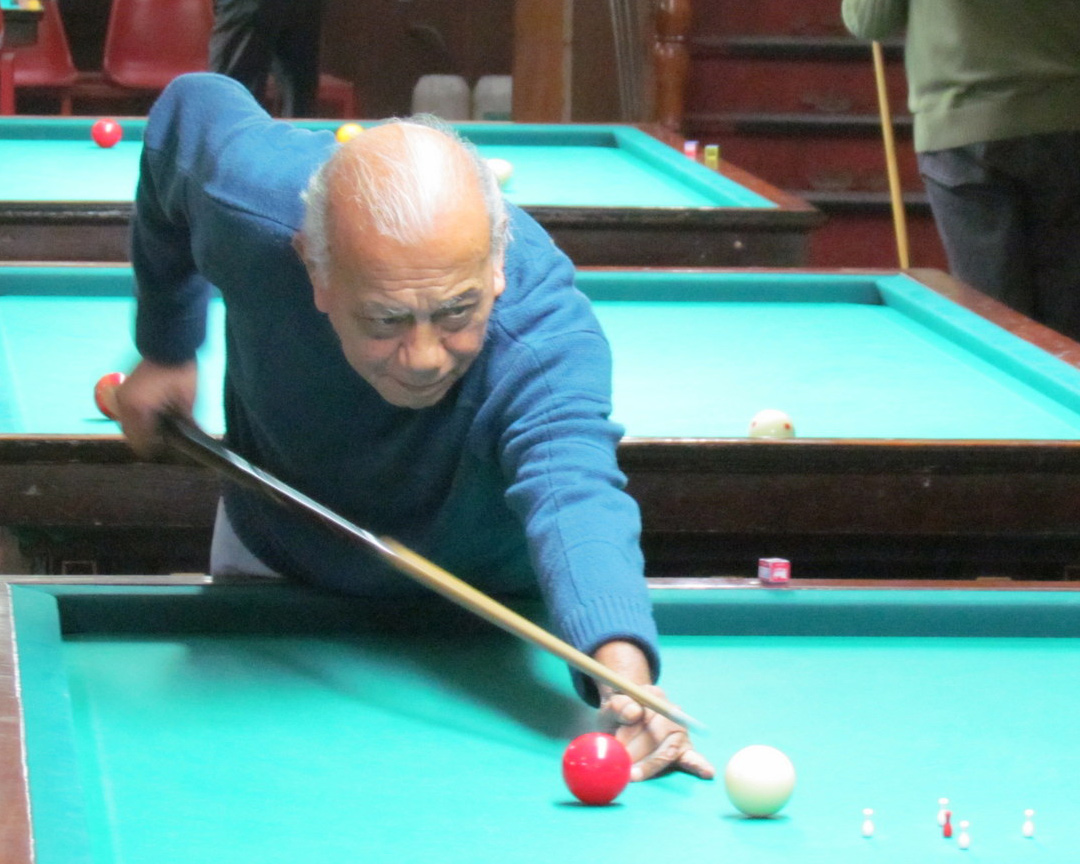
None of this however, prepares you for what goes on downstairs, and has been going on for the last 118 years. The space is huge and is filled with tables, old men and the gentle clack of balls striking each other. There are no longer the eponymous 36, but I’m told they now have 9 billiard tables, 6 more for pool pool and 1 for snooker. Also gone are the card, dice and chess tables which used to take up half the space upstairs.
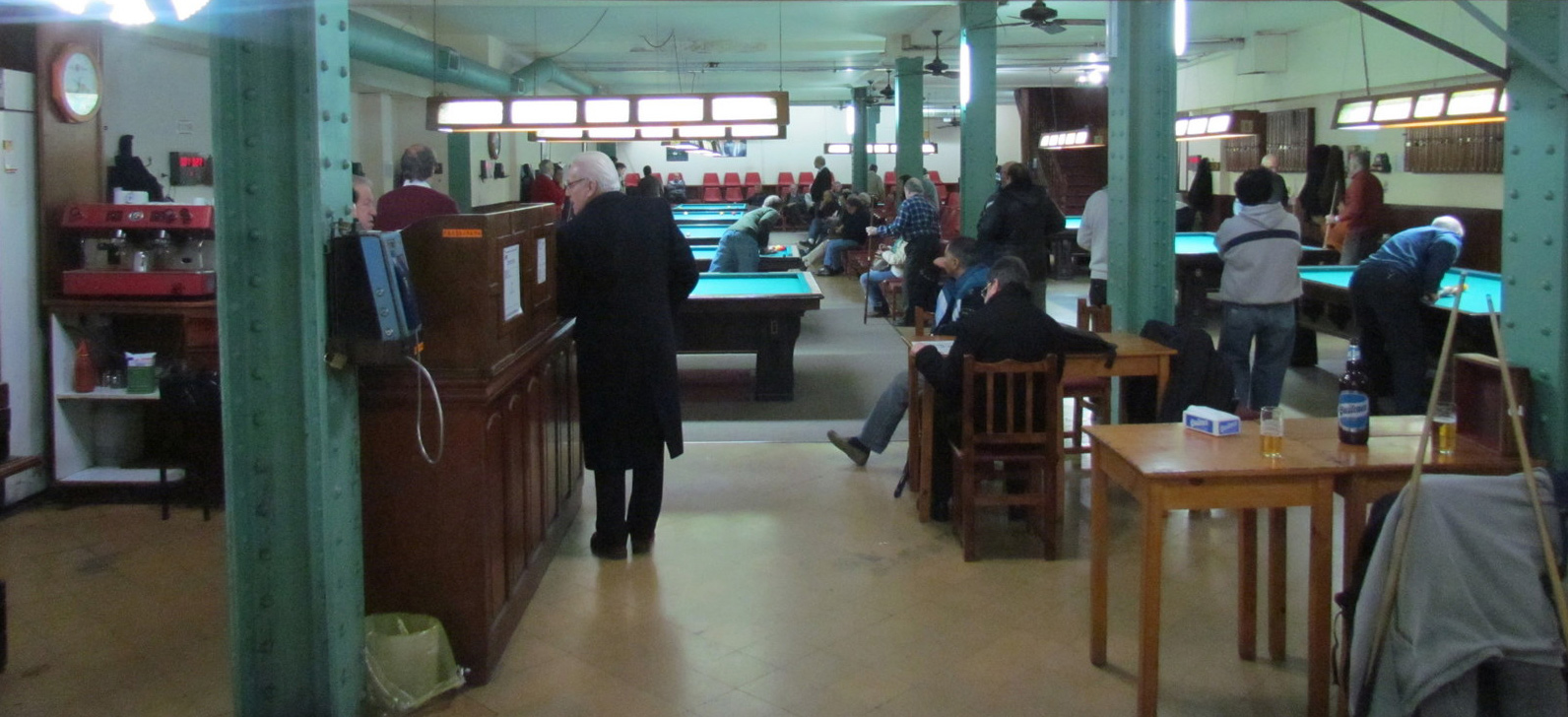
36 Billares - The Billiard tables

36 Billares – The Billiard tables


Simply ask the waiter for a table and he sets you up, starting the meter, which at the same time opens a small door releasing the cue ball which is then placed on the table – an ingenious system that’s clearly been around for a while as the meters (built in Paris) look like they were installed when the place opened. When you’re finished, the number of units shown on the meter is checked against a tarif sheet and you pay for the time played.
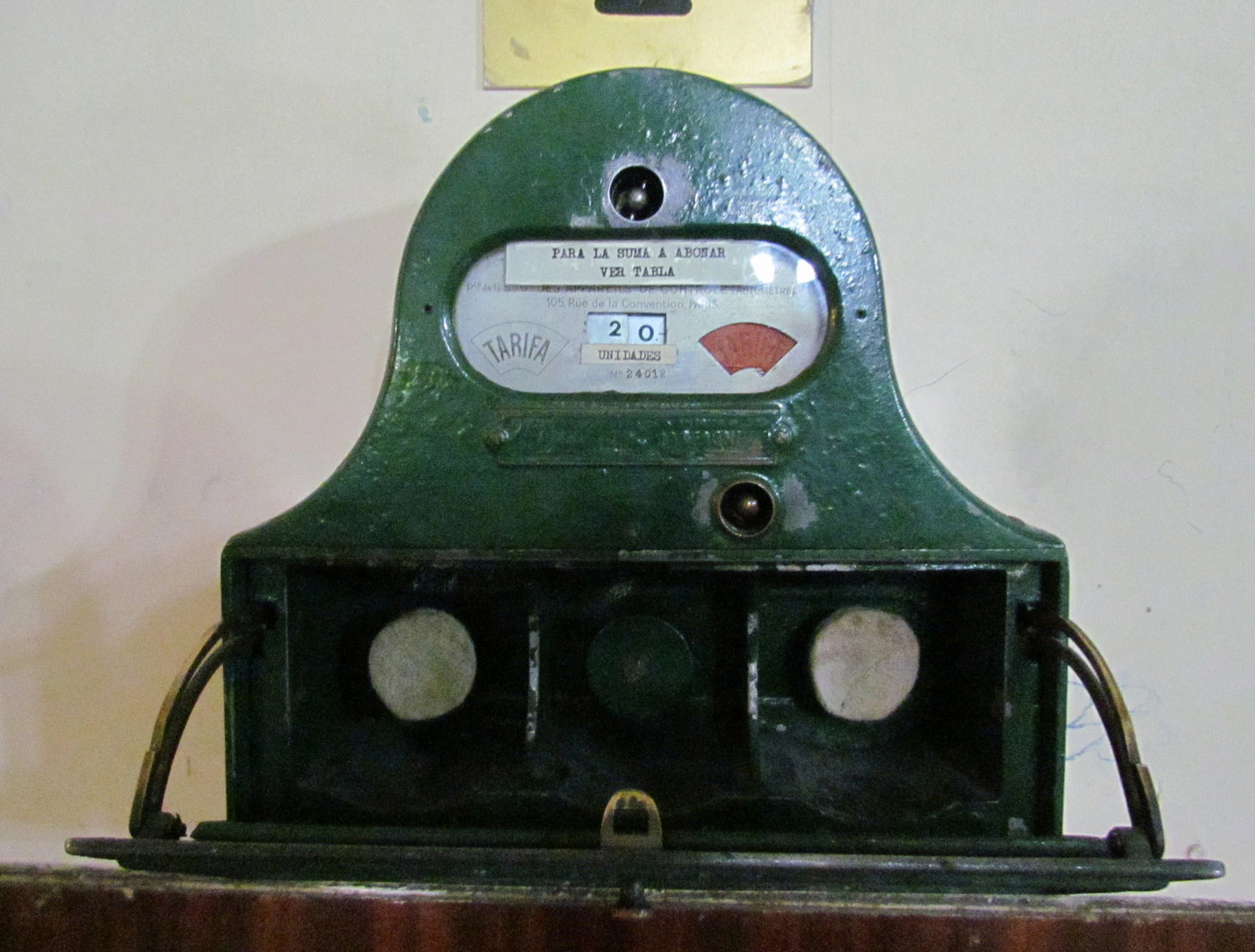
36 Billares, the meter

36 Billares, the meter


At 5pm on a Thursday afternoon the place was pretty full with the billiard tables being the busiest. Its clientele are, for the most part, elderly men who clearly spend a lot of time there. Around the walls are little lockers where the regulars keep their cues, and frequently the public phone would ring, answered by the barman who would then shout out the name of one of the customers who would take the call.
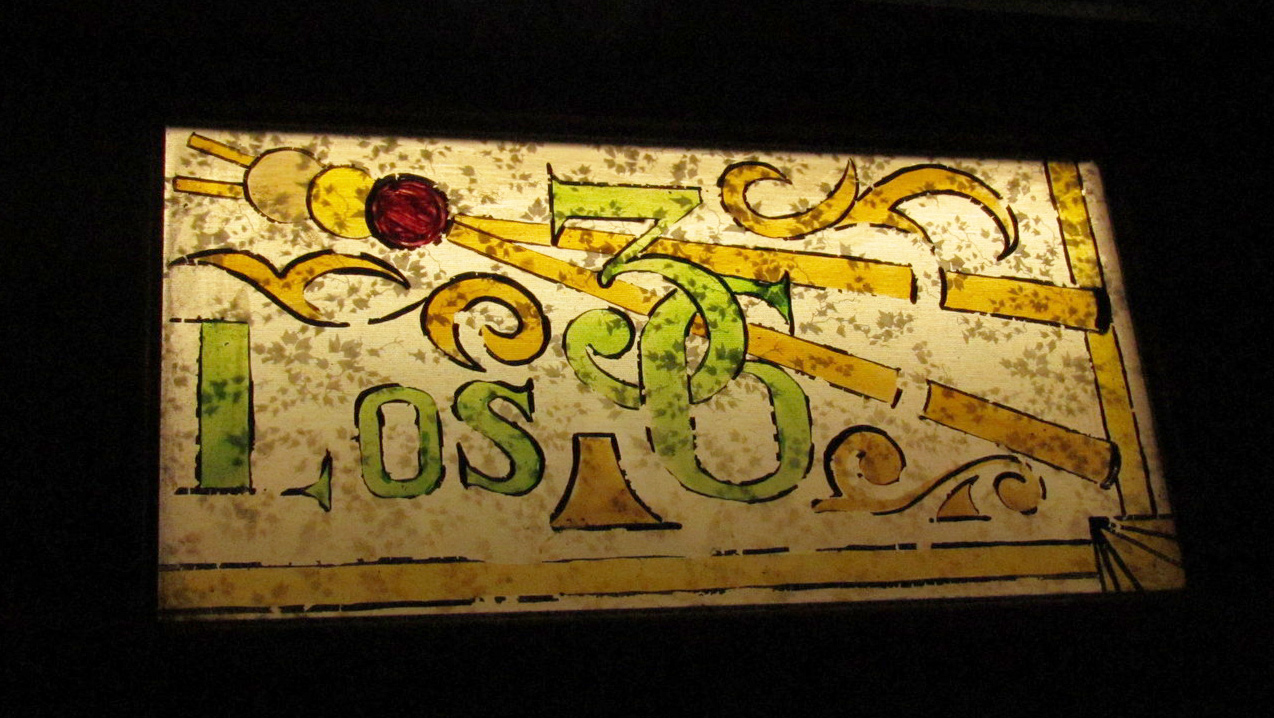
36 Billares, Table light detail

36 Billares, Table light detail


Hidden below the once-swanky Avenida de Mayo, 36 Billares feels like another world, a secret known only to a few who spend hours down there amongst friends, and have done so for years. Very little has changed in the last 100 years down in that basement and it doesn’t give the sensation that if the customers have anything to do with it that much will change over the next century.
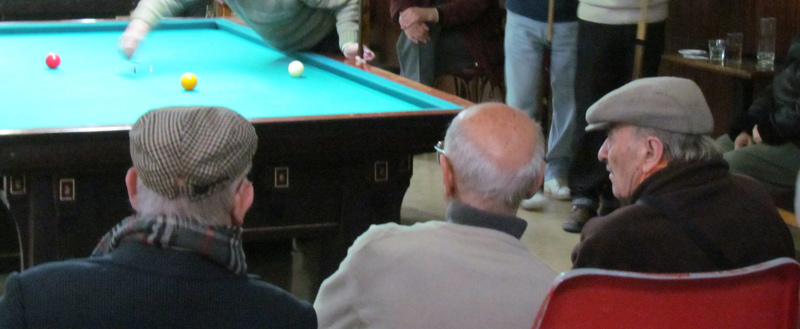
36 Billares - Watching the game

36 Billares – Watching the game


36 Billares - Artistic Ball Shot

36 Billares – Artistic Ball Shot


36 Billares - In action

36 Billares – In action

36 Billares: Avenida de Mayo 1265
Subte: Saenz Peña, Line A

This page is part of a series examining the Notable Bars of Buenos Aires.

Bar Mar Azul

Mar Azul opened in 1939 and, I’m proudly told by the waiter, hasn’t changed since. The windowframes are the original oak and the glass tiling on the far wall is the same as was installed when it opened.

Bar Mar Azul

Bar Mar Azul Interior


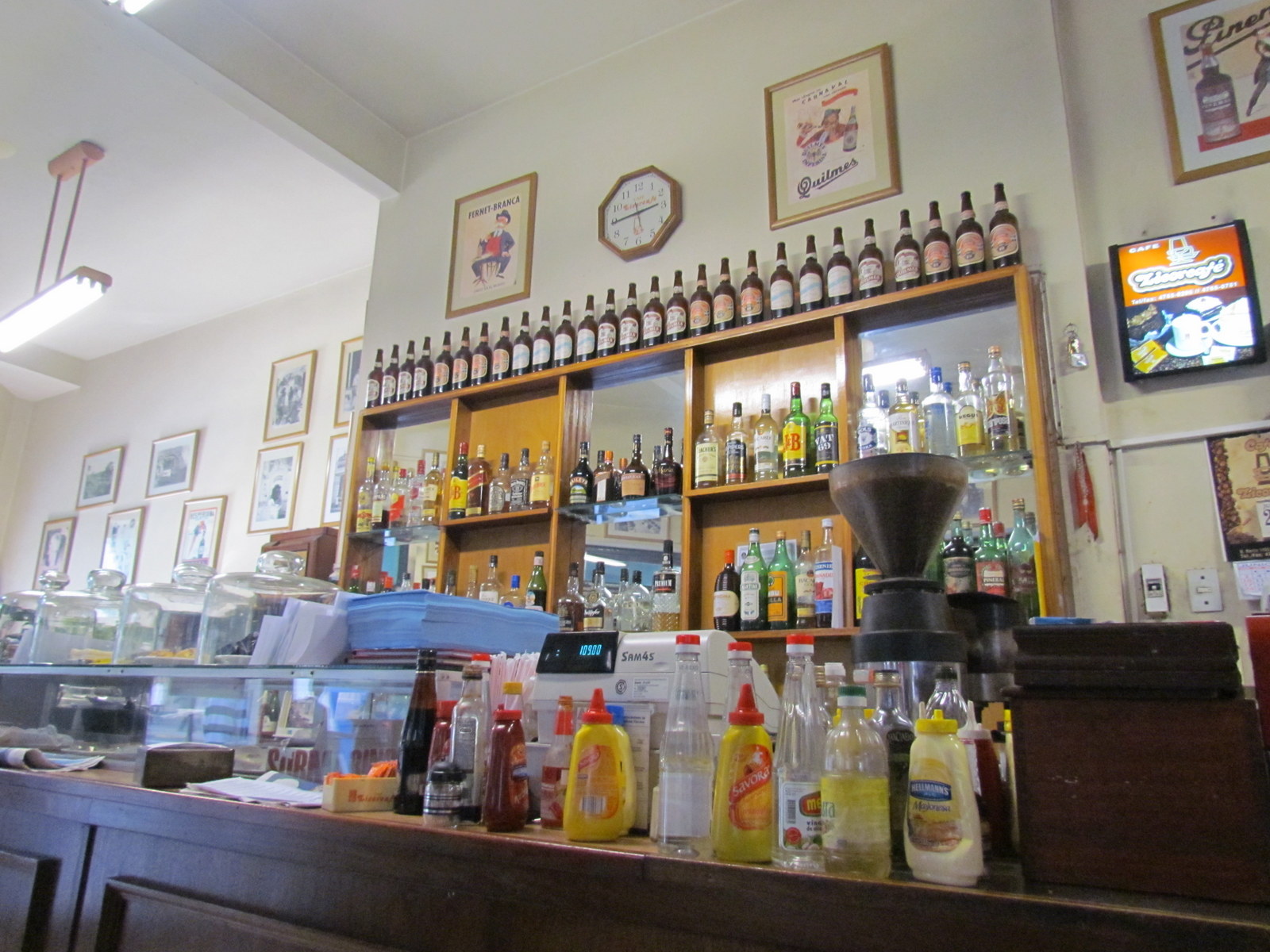
There’s something very familiar about Mar Azul and in a sense it’s identical to many small bars around the city. Its sole waiter runs the place very efficiently, so much so that when I asked him for a flan (crème caramel), he gave no sign of acknowledgement and I was getting ready to ask him again when it arrived on my table. The dark wood and tiled floor could be in any bar in the city and the menu has the same items would see all over.
Bar Mar Azul, Buenos Aires

Bar Mar Azul, Buenos Aires


For all its lack of originality it does have a warmth about it. As the gentlemen at the table behind me left after their lunch the waiter called out “Hasta mañana”, and after having heard me talk to the waiter the couple next to me asked me how to ask for the bill in English as they were on their way to Miami that evening for the first time. Turns out they were from Santiago del Estero and were going to be playing Argentine folk music over there.
Bar Mar Azul

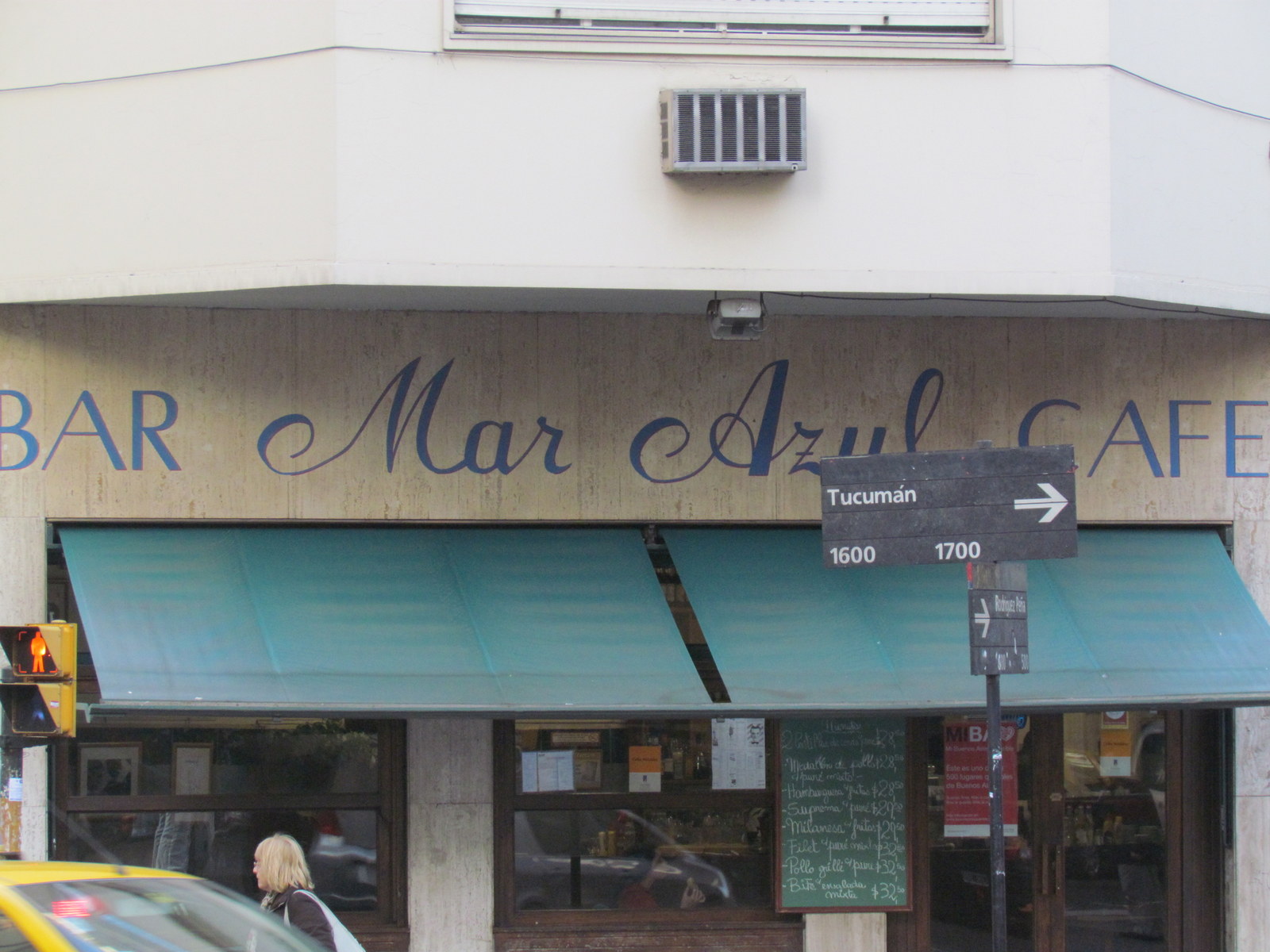
Bar Mar Azul Exterior


It’s not the sort of place you would go out of your way to visit, but if you lived nearby it would make a great little local, and has enough atmosphere and history to deserve its notable status.

Mar Azul: Tucuman 1700
Subte: Callao, Line D

This page is part of a series examining the Notable Bars of Buenos Aires.
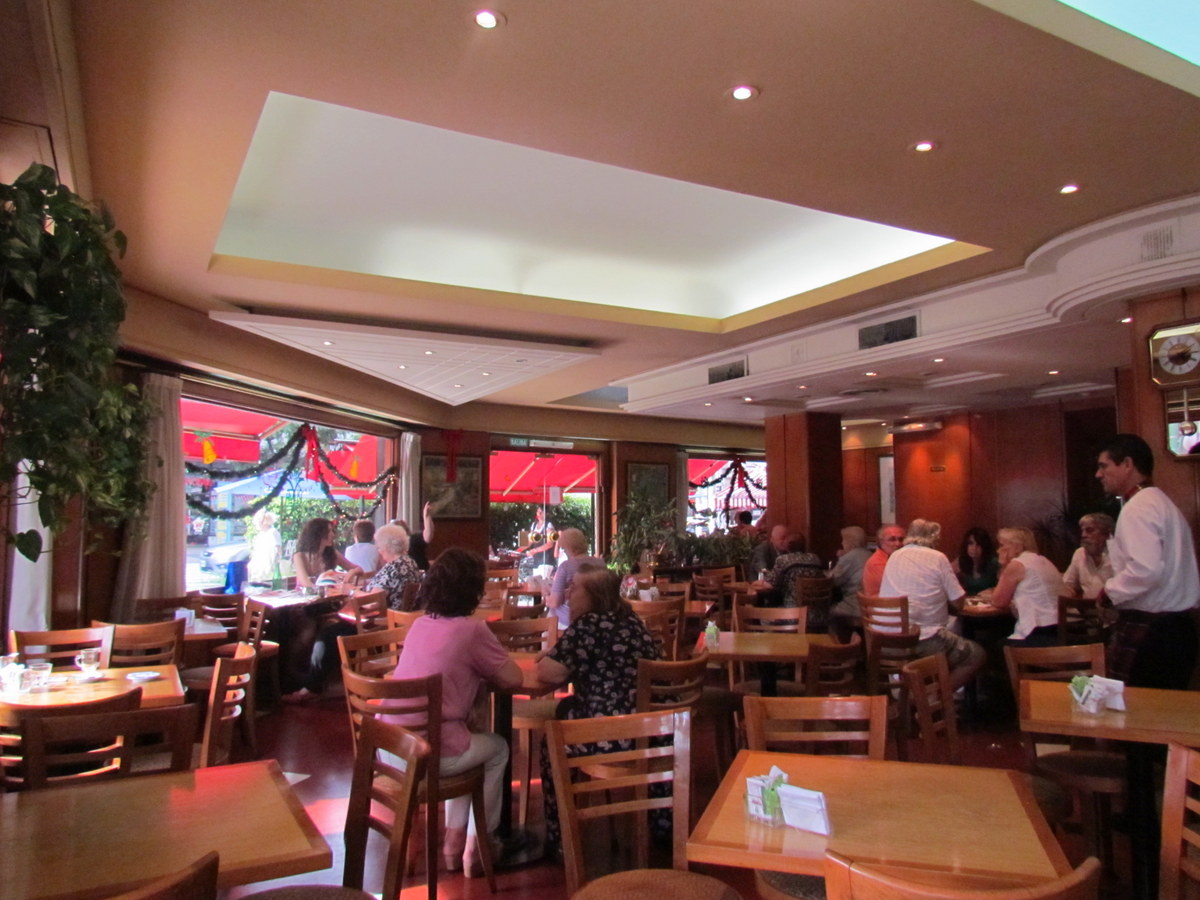
Bar Los Galgos

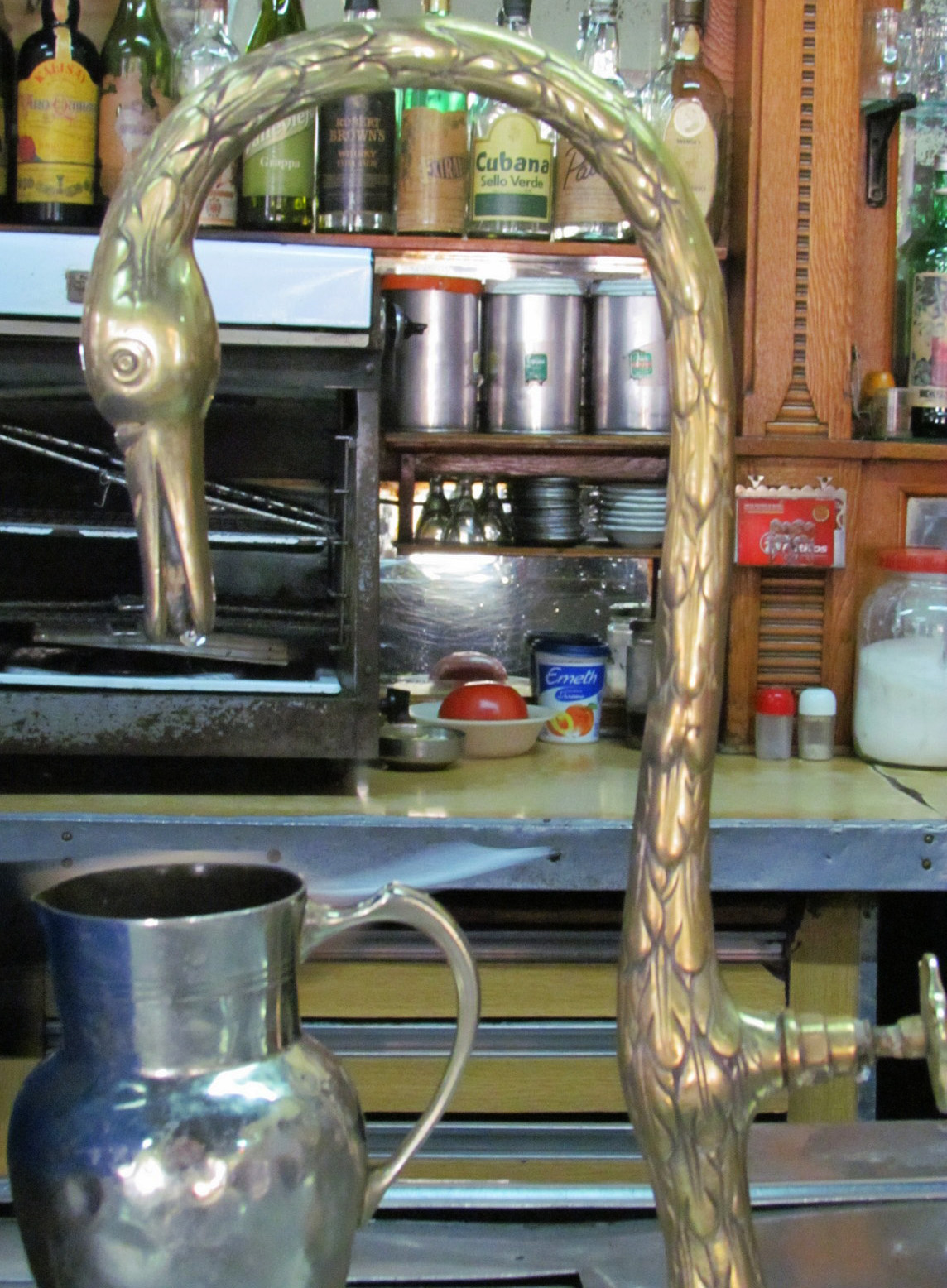
Los Galgos has 3 doors. One opens onto Callao and Recoleta, another onto Lavalle and San Nicolás and the third on the corner of the building is said to open onto neither, forming a kind of no-mans-land between the 2 neighbourhoods. Originally opened in 1930 in a building that has housed the first Singer sewing machine factory in Argentina, and named Los Galgos (The Greyhounds) by its dog-racing owner, it has been in the same family since 1948 when it was purchased by José Ramos. The bar today doesn’t look as though it has changed much in the intervening years, and in fact all the fittings, down to the formica topped tables and the “goose neck” water tap are the originals. The business itself has undergone many changes however, gone are the glory years of the 50s and 60s when the bar was open 24 hours a day and served such artistic luminaries as Aníbal Troilo, Enrique Santos Discépolo, Arturo Frondizi and Oscar Alende (the last two were both wonderfully named Intransigent Party – Alende founded it and Frondizi was President of Argentina from 1958 to 1962).

The bar, Los Galgos

The bar, Los Galgos

By the end of the 90s the bar had gone from employing 10 waiters and serving 3,000 coffees a day to 4 staff and less than 200 cups a day in the space of a decade. An article framed on the bar, written in July 2001, outlines the struggles the bar was having at the time in staying open due to the economic crisis. At the time a coffee cost 1 peso, when I visited 11 years later, the same cup cost 10 pesos.

The "goose neck" tap

Los Galgos is a fascinating slice of Porteño life that has changed very little its 82 years of existence – it may not be the most lively bar around these days but if you’re in the area and need a break, then it’s worth dropping in and soaking up a little of its history.

Los Galgos, Buenos Aires

Los Galgos, Buenos Aires

Bar Los Galgos: Avenida Callao 501
Subte: Callao, Line B

This page is part of a series examining the Notable Bars of Buenos Aires.
Bar Iberia

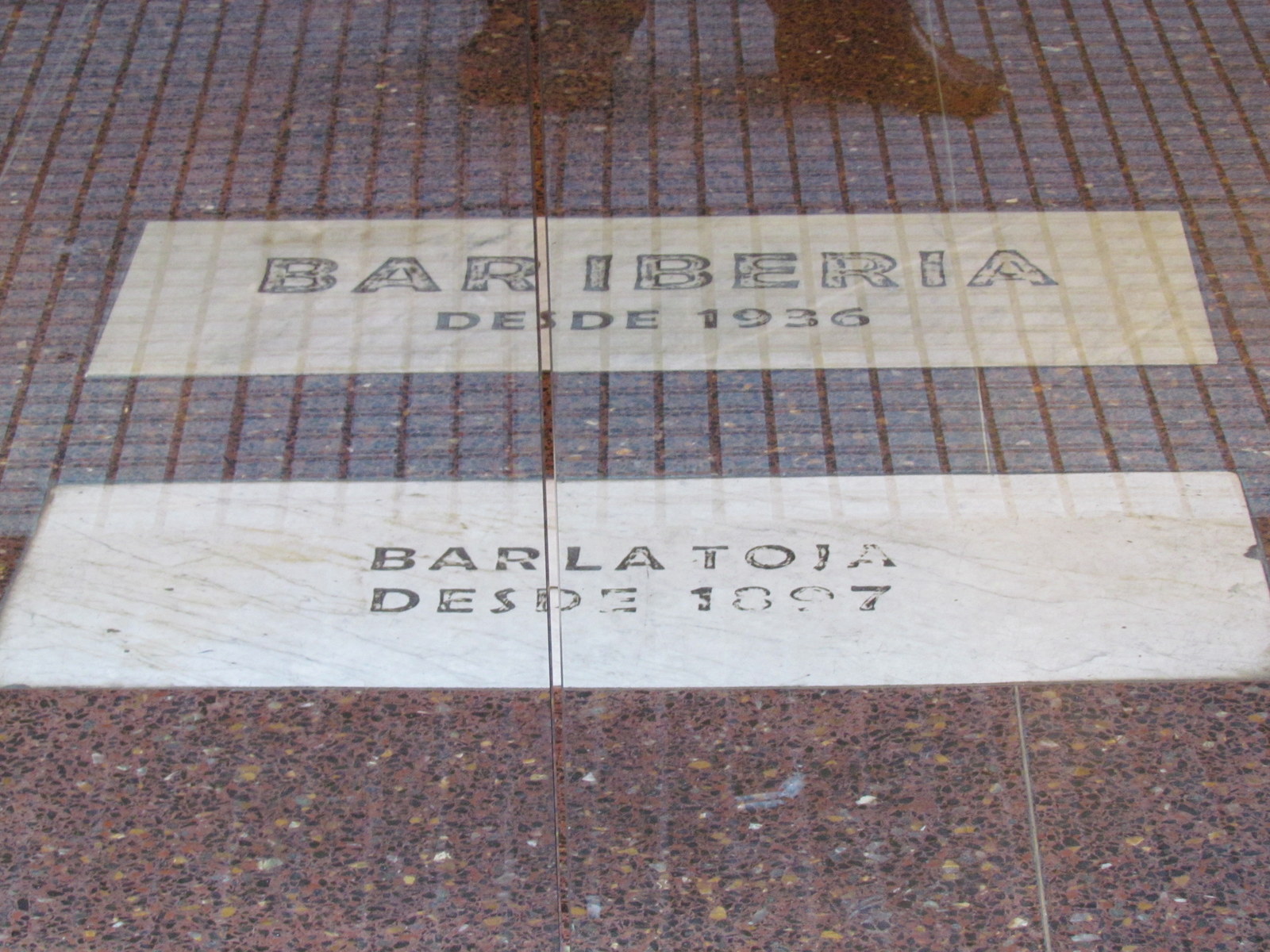
Situated on the corner of Avenida de Mayo and Salta, Bar Iberia has a turbulent political past and has played a large role in the history of the Spanish immigrants of Buenos Aires. First opened in 1897 and called Bar La Toja, the bar quickly became a meeting point for members of the Comité Central del Radicalismo, whose offices were a few doors away.
Bar Iberia, Entrance

Bar Iberia, Entrance


Changing its name to Bar Iberia in 1936 it gained a reputation as being the main Republican bar of the city, its clients following the events of the Spanish Civil War every day. This, of course, made it a target for Franco’s Nationalist followers who frequented a bar across the street call El Español, and on more than one occasion tables and chairs were flung across the Avenida de Mayo as the two sides fought a mini-version of the civil war here in Buenos Aires.
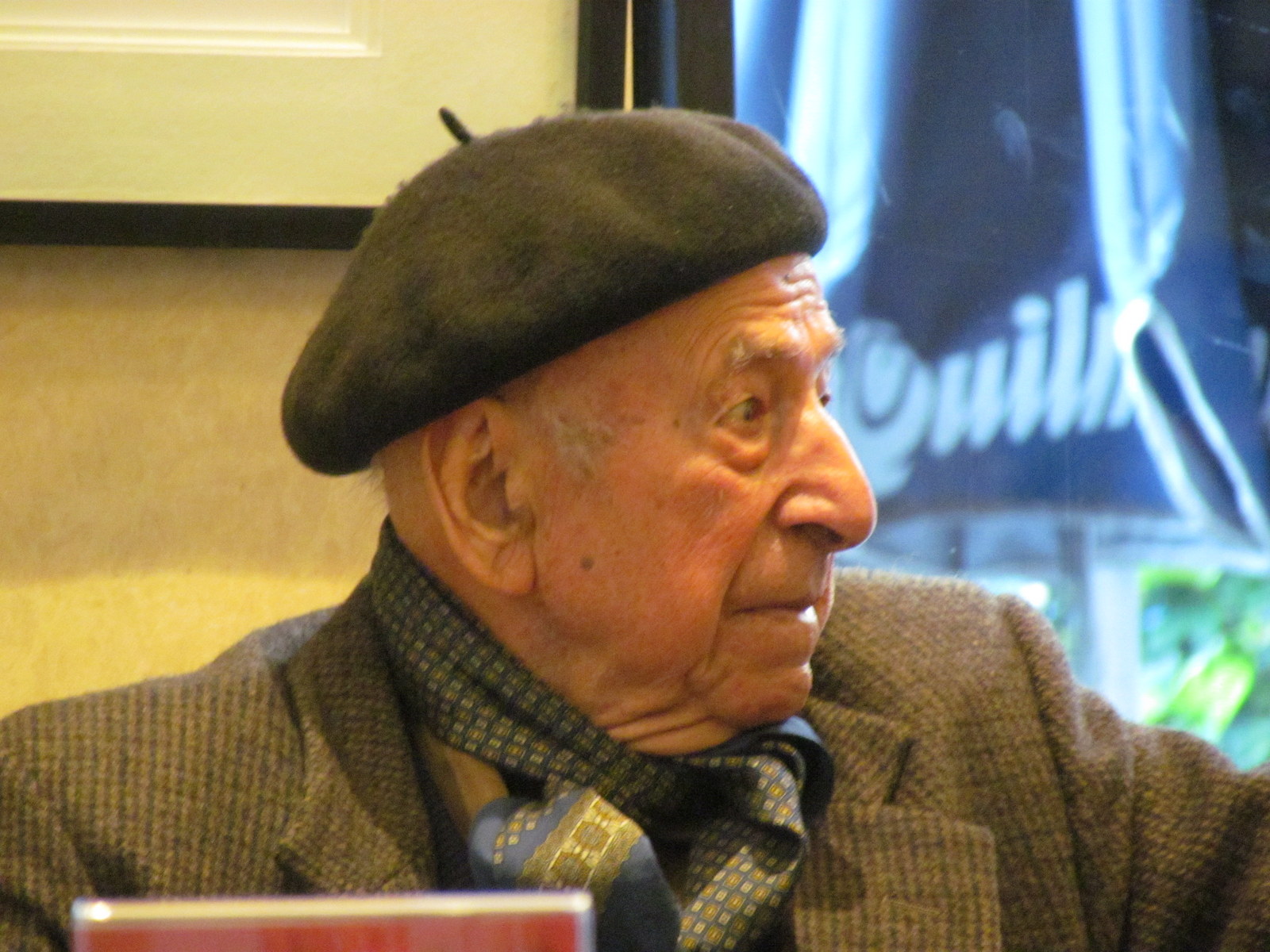
Customer, Bar Iberia

Customer, Bar Iberia


The bar also welcomed many customers from the cultural world including Spanish dramatist Federico García Lorca who stayed at the nearby Hotel Castelar from October 1933 to March 1934 while one of his plays was being performed in the next-door Teatro Avenida.
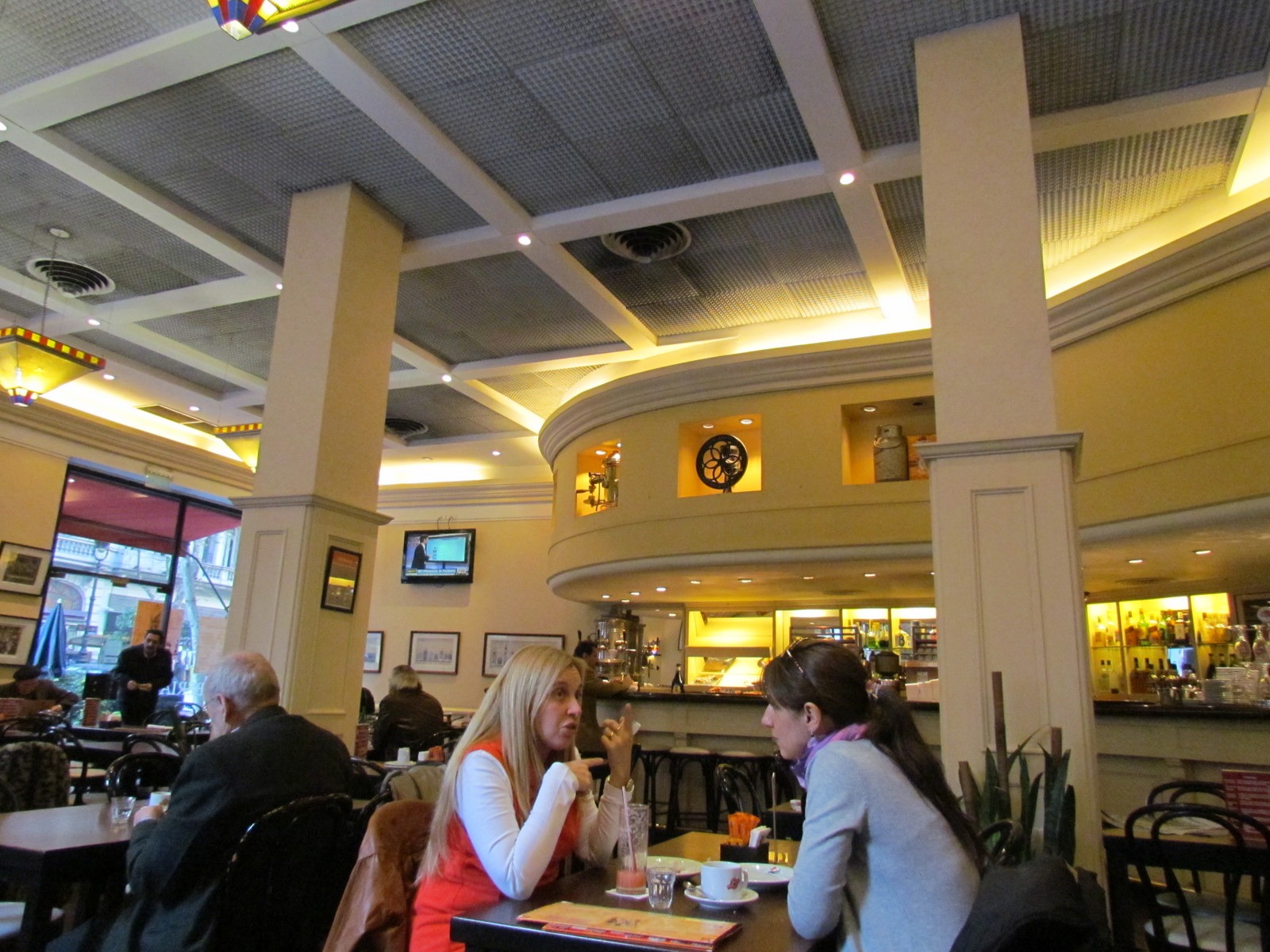
Bar Iberia

Bar Iberia


The bar today has obviously been recently renovated and visually, nothing of its historical past remains and it is now impossible to differentiate it from the hundreds of cafes that populate the centre of Buenos Aires. Plaques commemorate it’s Notable Bar status as well as it having been named a Corner of Hispanic Interest in 2003, however there is very little interest in the bar itself now.
Corner of Hispanicness

Corner of Hispanicness

Bar Iberia: Avenida de Mayo 1196
Subte: Peru, Line A

This page is part of a series examining the Notable Bars of Buenos Aires.