
Recoleta, Buenos Aires
Browse: BuenosTours › Buenos Aires Guide › Main Neighborhoods › Recoleta
Walk Recoleta beyond the cemetery
Recoleta’s broad avenues, historic residences and green spaces make it a rewarding neighborhood to explore on foot. The cemetery is its best-known stop, but the nearby church, cultural center and art museum tell a fuller story. Allow time to walk the streets as well as the sights; Avenida Alvear’s palaces and former mansions give the area its distinctly European architectural feel.
Why Recoleta Cemetery matters
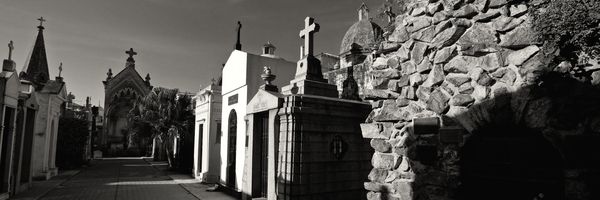
Recoleta Cemetery opened in 1822 on land that had belonged to the Recollect monks beside the Basílica Nuestra Señora del Pilar. It was Buenos Aires’ first public cemetery. Its lanes are lined with more than 4,500 vaults and mausoleums, from ornate family monuments to simpler memorials. Eva Perón is one of the people buried here, but the architecture and the lives behind other tombs deserve time too. Look for the varied sculpture and styles rather than rushing directly to one grave. Check the City’s current visitor information before you go, since access arrangements can change.
Make a neighborhood walk of it
Just outside the cemetery, the Basílica del Pilar and Centro Cultural Recoleta connect the neighborhood to its convent origins. The cultural center now hosts exhibitions and other events. Continue toward the Museo Nacional de Bellas Artes for Argentine and international art, or take a slower architectural walk along Avenida Alvear. This combines the old BALT guide’s cemetery, museum and Alvear stops without depending on its dated Design Centre recommendation.
Our Buenos Aires Essentials walking tour includes Recoleta and the cemetery as part of a broader city introduction. If you would rather spend more time on the cemetery or shape the pace around your own interests, ask about our private Retiro, Recoleta and Cemetery walking tour.
[Top photo credit: Elliot Solomon / All Rights Reserved]